
Associate Professor Eva Nisa is an anthropologist, Islamic studies scholar, and ARC DECRA Fellow at ANU. Her work sits at the forefront of the anthropology of Islam, exploring the intersections of religion, gender, economy, youth, and digital life. Trained in Qur’anic Sciences at Al-Azhar University (Cairo), she brings rare depth to the study of Muslim societies. Her academic path spans Leiden University (MA), ANU (PhD), and postdocs at the University of Hamburg and the University of Amsterdam. She is the author of Face-veiled Women in Contemporary Indonesia and has published over sixty scholarly works. Since joining ANU in 2019, after teaching at Victoria University of Wellington, she has received the ANU CAP Award for Teaching Excellence and held a guest professorship at the University of Vienna. Her research is widely cited and featured in leading global media, including The New York Times, BBC, and Al Jazeera, and she was profiled in Womankind Magazine, distributed in 27 countries, for her contributions to gender and Islam. She serves as Vice President of the Asian Studies Association of Australia (ASAA).

The 2026 Indonesia Update explores Islamic diversity in Indonesia, examining the diversity, complexity and changing role of Islam in contemporary Indonesian society.
About the 2026 Indonesia Update conference
The 2026 Indonesia Update will be held at The Australian National University in Canberra on Friday 18 and Saturday 19 September 2026. Hosted by the ANU Indonesia Project in collaboration with the ANU Department of Political and Social Change, this year’s conference will explore the theme Islamic diversity in Indonesia.
Now in its 43rd year, the Indonesia Update is the largest annual conference on Indonesian society outside Indonesia. Each year, it brings together leading scholars, policymakers and practitioners from Indonesia, Australia and around the world to examine recent developments in Indonesia and explore a major theme shaping the country’s society, politics and economy.
The 2026 Indonesia Update is supported by the ANU Indonesia Institute and the Australian Department of Foreign Affairs and Trade (DFAT). This year's Indonesia Update is included in the 2026 IMMERSIA festival, bringing languages, traditions and contemporary voices from across Asia and the Pacific to the ANU Community, hosted by the ANU School of Culture, History & Language
Islamic diversity in Indonesia
Indonesia, the world’s largest Muslim-majority country, is often celebrated as a model of peaceful coexistence. But this image is increasingly being questioned as Indonesia experiences the effects of the conservative turn emerging in domestic politics globally. Rising identity politics, online vilification of minorities, increasing levels of authoritarian governance and economic inequality are creating challenges to diversity both within Islamic society and the wider population.
The 2026 Indonesia Update will explore the relationship between Islam and diversity in today’s Indonesia through a wide lens aimed at four themes. ‘Embracing Differences’ will look at Indonesian concepts of diversity that underpin everyday coexistence. ‘Insisting on Difference’ will examine Islamic positions that identify danger and harm in difference, along with their effects for minority rights, educational choices and national policy. ‘Institutions’ will explore how organisations respond to and shape difference in civil society, the bureaucracy, politics and the private sector. ‘Mediating Difference’ will investigate digital culture, youth engagement, group relations, and the varying understandings of diversity promoted and debated in the media. The conference will acknowledge that Islam in Indonesia is both a platform for an ethics of inclusion and a site for its contestation and will ask what this means for the country’s future.
Program and Registration
In-person registration: https://IndonesiaUpdate2026.eventbrite.com.au
Zoom registration: https://anu.zoom.us/webinar/register/WN_2VXwMiatS7GuprDuFG2Cew#/registration
Keynote Speakers
Each year, the Indonesia Update opens with the Political Update and Economic Updates, authoritative, must-hear accounts of the year’s major developments in Indonesian politics and the economy, before turning to the conference’s annual theme.
This year, our keynote speakers will help lead that thematic discussion, bringing their expertise and perspectives to Islamic diversity in Indonesia and some of the key questions shaping Islam and Indonesian society today. Together, the keynote, Political Update and Economic Update speakers set the scene for two days of informed discussion, debate and fresh insights into contemporary Indonesia.
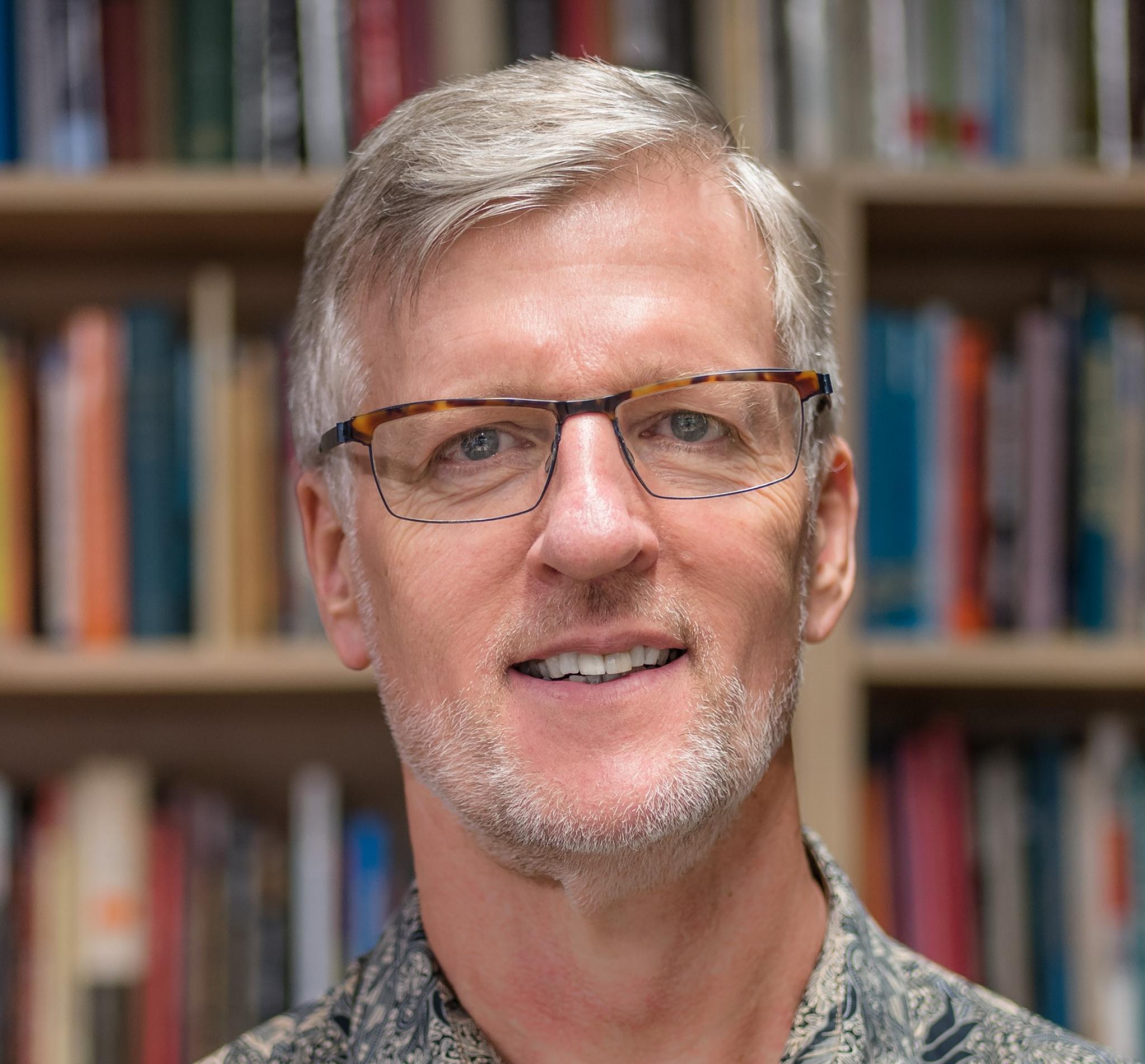
Keynote Speaker - Greg Fealy
Read more
He has published extensively on these subjects, including four authored or co-authored books, six co-edited books and many scholarly and media articles. From 1997 to 1999 he was an Indonesia analyst at the Office of National Assessments. He has been a visiting professor at Johns Hopkins University’s School of Advanced International Studies (SAIS) in Washington, the Hebrew University, Jerusalem, and the Indonesian International Islamic University (UIII) in Jakarta. He was chair of the Department of Foreign Affairs and Trade’s Australia-Indonesia Institute from 2017 to 2024. He received the Medal of the Order of Australia (AM) in 2022 for his services to Australia-Indonesia relations and higher education.
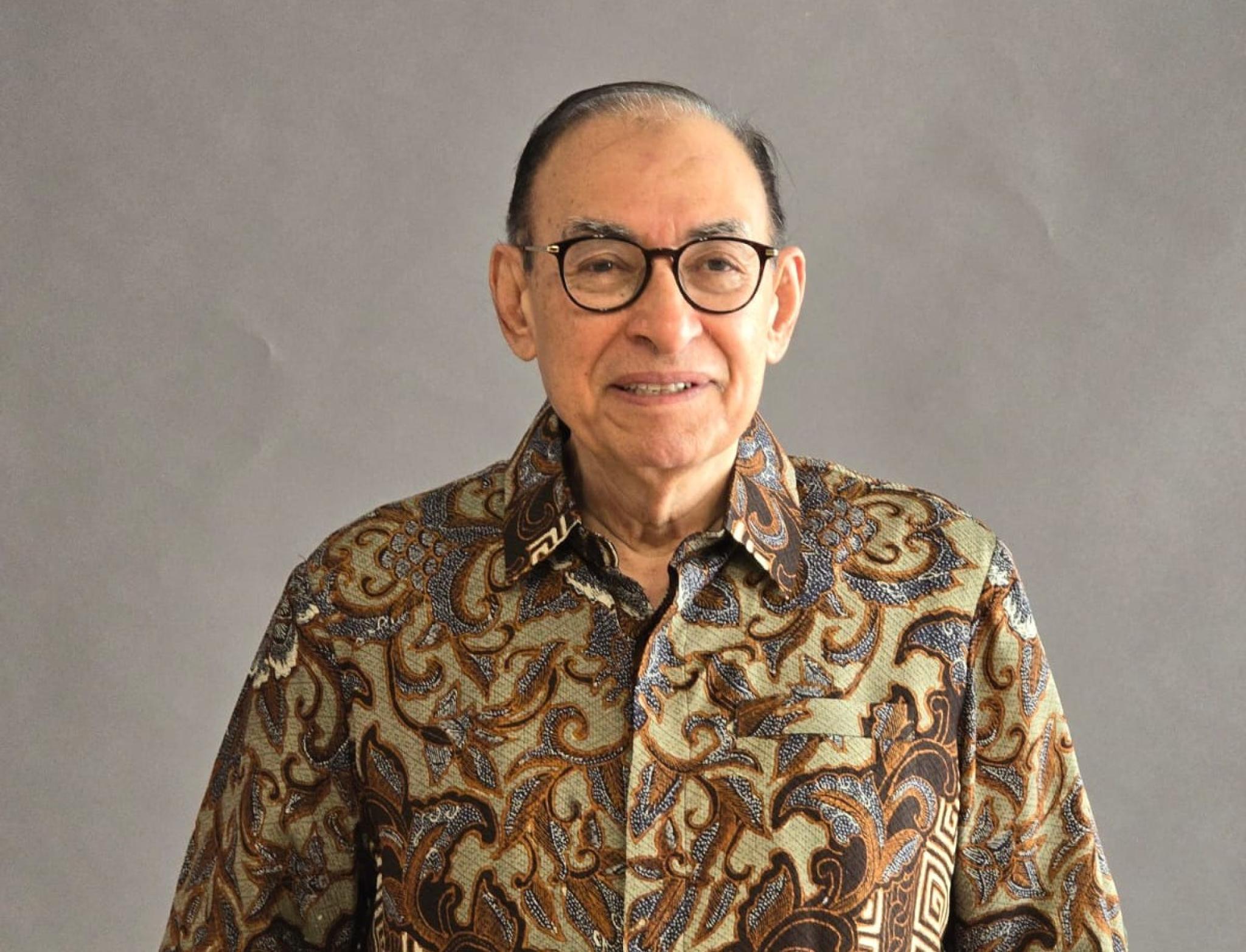
Keynote Speaker - Alwi Shihab
Read more
He also taught Islamic Studies and Sufism at Hartford Seminary (Hartford International University for Religion and Peace) and Harvard University.
In Indonesia, Prof. Alwi Shihab served as Minister of Foreign Affairs under President Abdurrahman Wahid (Gus Dur) from 1999 to 2001, where he played a key role in Indonesia’s relations with the Middle East and the West. He later served as Coordinating Minister for People’s Welfare under President Susilo Bambang Yudhoyono (2004–2005). He also served as the President’s Special Envoy to the Middle East and the Organisation of Islamic Cooperation (OIC), first from 2005 to 2009 during President Susilo Bambang Yudhoyono’s presidency, and again from 2015 to 2019 under President Joko Widodo. He has subsequently continued to advise Indonesian leaders and contribute to Indonesia’s engagement with the Muslim world. A prolific author on Islam, pluralism, religious diversity, and Sufism, he remains an influential voice on Indonesia’s place in the Muslim world, its relationship with the West, and the wider international community.

Political Update - Nava Nuraniyah
Read more
She was previously an analyst at the Jakarta-based Institute for Policy Analysis of Conflict (IPAC), specialising in conflict and violent extremism in Southeast Asia. Prior to that, she was an Associate Research Fellow at the S. Rajaratnam School of International Studies (RSIS), Nanyang Technological University, Singapore. Her research has been published in academic journals such as Terrorism and Political Violence and Asian Policy as well as international media, including The New York Times and The Sydney Morning Herald.
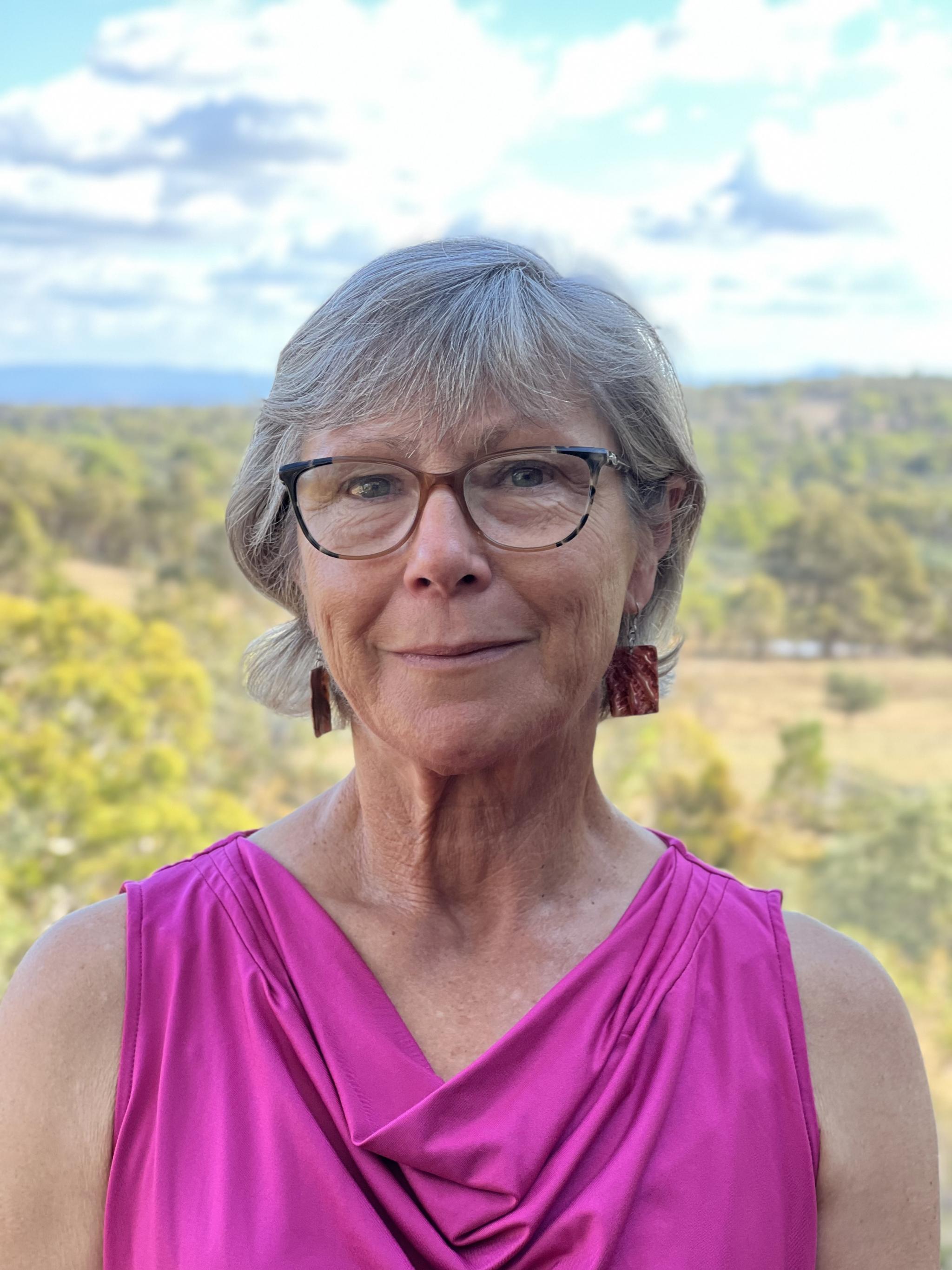
Economic Update - Jenny Gordon
Read more
Jenny recently complete 6 years on the Advisory Council at the Asian Development Bank Institute.
Jenny was the Chief Economist at the Department of Foreign Affairs and Trade (DFAT) from 2019 to 2021. From 2018-2019 Jenny was Chief Economist at Nous Group, assisting them in developing their economics practice. From 2008-2017, Jenny was the Principal Adviser (Research) and First Assistant Secretary at the Productivity Commission. Prior to the Commission, Jenny was a partner at the Centre for International Economics.
Jenny started her professional career at the Reserve Bank of Australia. She has a PhD in Economics and a Master of Arts from Harvard University, and a Master and Bachelor of Economics (Honours) from Macquarie University.
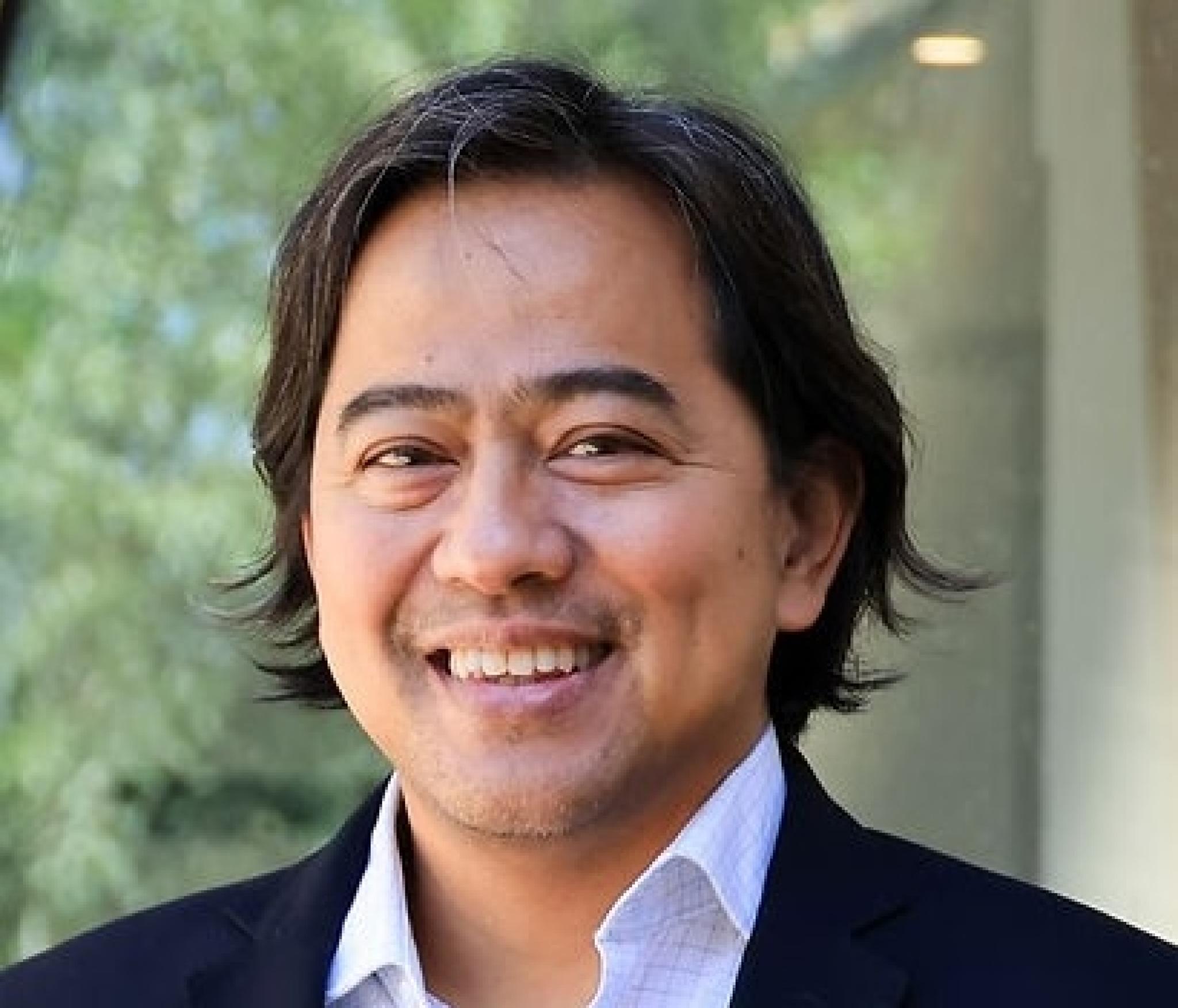
Economic Update - Firman Witoelar
Read more
He holds a PhD in Economics from Michigan State University and was a Rockefeller Postdoctoral Fellow at Yale University's Economic Growth Center. His research is in the broad area of development economics, focusing on labour, population, and health economics, and employs a range of empirical methods, including randomized field experiments, publishing in leading journals including the Journal of the European Economic Association, The Review of Economics and Statistics, Journal of Development Economics, World Development, and Economic Development and Cultural Change. He holds an appointment as an affiliated professor at the Abdul Latif Jameel Poverty Action Lab (J-PAL), Massachusetts Institute of Technology.
General Information
Conference venue
The conference will be held in the Coombs Lecture Theatre, Australian National University. The venue address is: Coombs Theatre, Fellows Rd, Acton ACT 2601. Google maps
If you are attending in person and require accessibility accommodations or a visitor Personal Emergency Evacuation Plan (PEEP), please contact the Indonesia Update 2026 organising committee at indonesia.project@anu.edu.au
Public transport
Transport Canberra information.
- Bus route 53 stops on Liversidge st behind the Coombs buliding. Plan your journey
- The closest light rail stop is Alinga Street station, a 25-minute walk to the Coombs building. Plan your journey
- Wheelchair accessible taxis must be booked ahead. Phone 139 287, email or online
- ACT Cabs 02 6280 0077 or online
Arriving in Canberra
Canberra Airport is located 8km from the city centre. It is connected to most of Australia’s major cities. As a general guide, a taxi from the airport to the ANU takes around 15-20 minutes and will cost approximately $25 to $50, depending on traffic conditions.
By road, Canberra is located approximately 3.5 hours from Sydney. An hourly coach service is available to connect from the Sydney Airport Domestic terminal to Canberra city (travel time 3.5 hours).
It is also possible to travel to Canberra by train. The Canberra train station is located in the suburb of Kingston, approximately 6km from the Canberra city centre and the ANU.
Parking
Very limited paid visitor parking is available on Fellows rd. near the Coombs building. Parking fees apply between 8am and 5pm Monday to Friday.
Accessibility
Accessibility:
Indonesian sign language and simultaneous translation into Indonesian will be available online.
If you are attending in-person and require accessibility accommodations or a visitor Personal Emergency Evacuation Plan please contact the ANU Indonesia Project at Indonesia.Project@anu.edu.au.
Conference Catering
Registered attendees will be provided with tea and coffee during the morning and afternoon breaks, accompanied by a selection of savoury and sweet refreshments. Please note that catering will primarily be standing, or guests may use the chairs and tables located throughout the Coombs Building lobby area. Food is not permitted inside the lecture theatre. Lunch is not provided to conference attendees.
The conference menu will be halal, with some vegan, vegetarian, and gluten-free options also available.
For guests wishing to purchase barista-made coffee or additional food throughout the day, the Gods cafe is conveniently located within the Hedley Bull and will be open from early morning until late afternoon on Friday.
Optional Social Meals
Optional social meals
Conference attendees can register to join one or both of our optional social meals, offering an informal opportunity to meet and socialise with fellow conference attendees and speakers. Spaces for both events are strictly limited and are filling quickly.
Friday social dinner
Join us for an informal social dinner at the newly reopened University House, directly opposite the conference venue, from 5:30–7:50 pm on Friday 18 September.
Saturday Indonesian lunch
An optional Indonesian boxed lunch, catered by conference favourite Ibu Astri of Latar Garden cafe, will be available to pre-order. Lunch will be held in the Coombs Tea Room immediately following the conclusion of the conference, from 1:00–2:00 pm on Saturday 19 September.
Both meals are optional and require advance registration. Spaces are very limited, so early registration is strongly encouraged.
Register for the social meals via Eventbrite.
Friday Prayer and faith services
The Indonesia Update will hold the Friday prayer on 18 September 2026 in the Coombs Extension Building, LT1.04, from 12.00 pm to 12:30 pm. KH. Dr Farid F. Saenong will deliver the Khutbah and be the Imam. Wudhu can be performed in the toilet beside LT1.04. This space is immediately next to the Coombs Theatre conference venue.
Please note:
- A designated sisters' prayer space, known as the Al-Inaya Prayer Room, is located inside the Coombs Building at the ANU. Please speak to one of our student volunteers if you need help locating the room.
- A designated prayer space known as the Al Isra Prayer Room, is also located inside the Coombs Building at the ANU. Please speak to one of our student volunteers if you need help locating the room.
ANU Chaplaincy: The ANU Chaplaincy is a meeting space and designated Multifaith prayer room, available from 9am-5pm during term periods, located at level four, Health and Wellbeing Building in Kambri. The chaplaincy is a place for:
- prayer and meditation
- friendship and hospitality
- discussions, forum and talks
- information on all faiths and local places of worship.
Meet the 2026 Indonesia Update convenors
The 2026 Indonesia Update is convened by Associate Professor Eva Nisa from The Australian National University and Professor Julian Millie from Monash University.
Together, Eva and Julian have developed this year’s conference theme, Islamic diversity in Indonesia, bringing together leading scholars and experts from Indonesia, Australia and beyond to explore the diversity, complexity and changing role of Islam in contemporary Indonesian society.


Julian Millie
Julian Millie is Professor of Indonesian Studies at Monash University. His research is about the social and political meanings of Islamic practice in Indonesia. Since obtaining his doctorate from Leiden University in 2005, he has completed several research projects about Islamic practices such as preaching, pedagogy and intercession, doing his ethnographic work primarily amongst the Muslim populations of West Java. He works with academics from universities in West Java including the Sunan Gunung Djati State Islamic University and Pasundan University. His most recent major works are a special issue of Religion, State and Society entitled Islamic Bureaucracies: New Frontiers for Public Religion (2025, with Banu Senay) and the collected volume ‘The ‘Crossed-Out God’ in the Asia-Pacific: Religious Efficacy of Public Spheres’ (2023, Palgrave MacMillan). Julian was appointed Professor of Indonesian studies at Monash in 2020. In 2021 he was accepted into the Australian Academy of the Humanities.