
SEAI members Tommy Chai and Emirza Syailendra also participated in a panel examining the regional constraints on China’s influence and how Southeast Asian actors resist, redirect or manage external pressure.
Primary Landing Page
ANU Southeast Asia Institute’s regional engagements in 2026 included participation in SEASIA 2026, held at Nanyang Technological University, Singapore, from 8–10 July 2026, and ICON-IR 2026, held at Parahyangan Catholic University, Bandung, Indonesia, from 20–21 August 2026. Across these conferences, SEAI members contributed to research discussions on Southeast Asian agency, regional order, China’s influence, major-power relations and foreign policy. These engagements also provided opportunities to strengthen research connections and intellectual exchange with scholars and institutions based across Southeast Asia.
SEASIA 2026
8–10 July 2026 | Nanyang Technological University, Singapore
SEAI members joined Southeast Asian Studies in Asia (SEASIA) 2026 to share research on Southeast Asian agency, regional order and China’s influence, featuring a SEAI-convened roundtable and participation in a wider conference panel.
This roundtable brought together scholars from Australia, the Philippines and Singapore to examine how Southeast Asian actors shape regional order amid persistent great-power competition.
Chair
Professor Evelyn Goh – Australian National University
Discussant
Dr Sarah Teo – Nanyang Technological University
Presenters
- Matteo Piasentini, University of the Philippines Diliman, with Professor Aries Arugay
Strategic Diversification at Sea: Philippine Maritime Security, Middle Powers, and Agency amid Great-Power Competition - Tommy Sheng Hao Chai, Australian National University
Intra-Regional Dimensions of Order-Building: Strategic Autonomy and Great-Power Rivalry as Positional Resources for Hierarchical Management within Southeast Asia - Dr Emirza Adi Syailendra, S. Rajaratnam School of International Studies, Nanyang Technological University
Restraint as a Tool for Power Legitimation amid Uncertainty - Dr Bich Tran, S. Rajaratnam School of International Studies, Nanyang Technological University
Southeast Asia’s Agency in Global Outer Space Governance
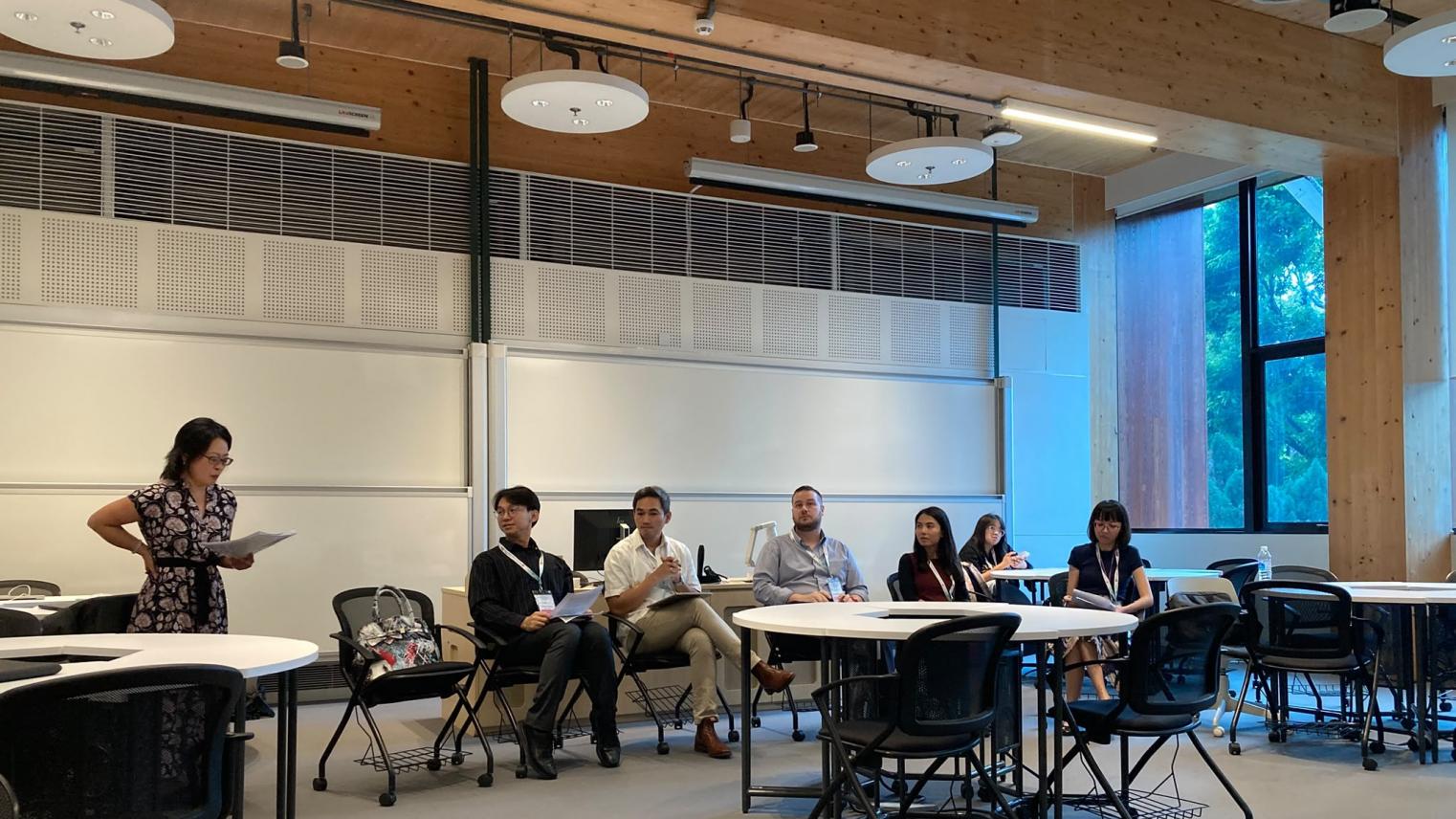
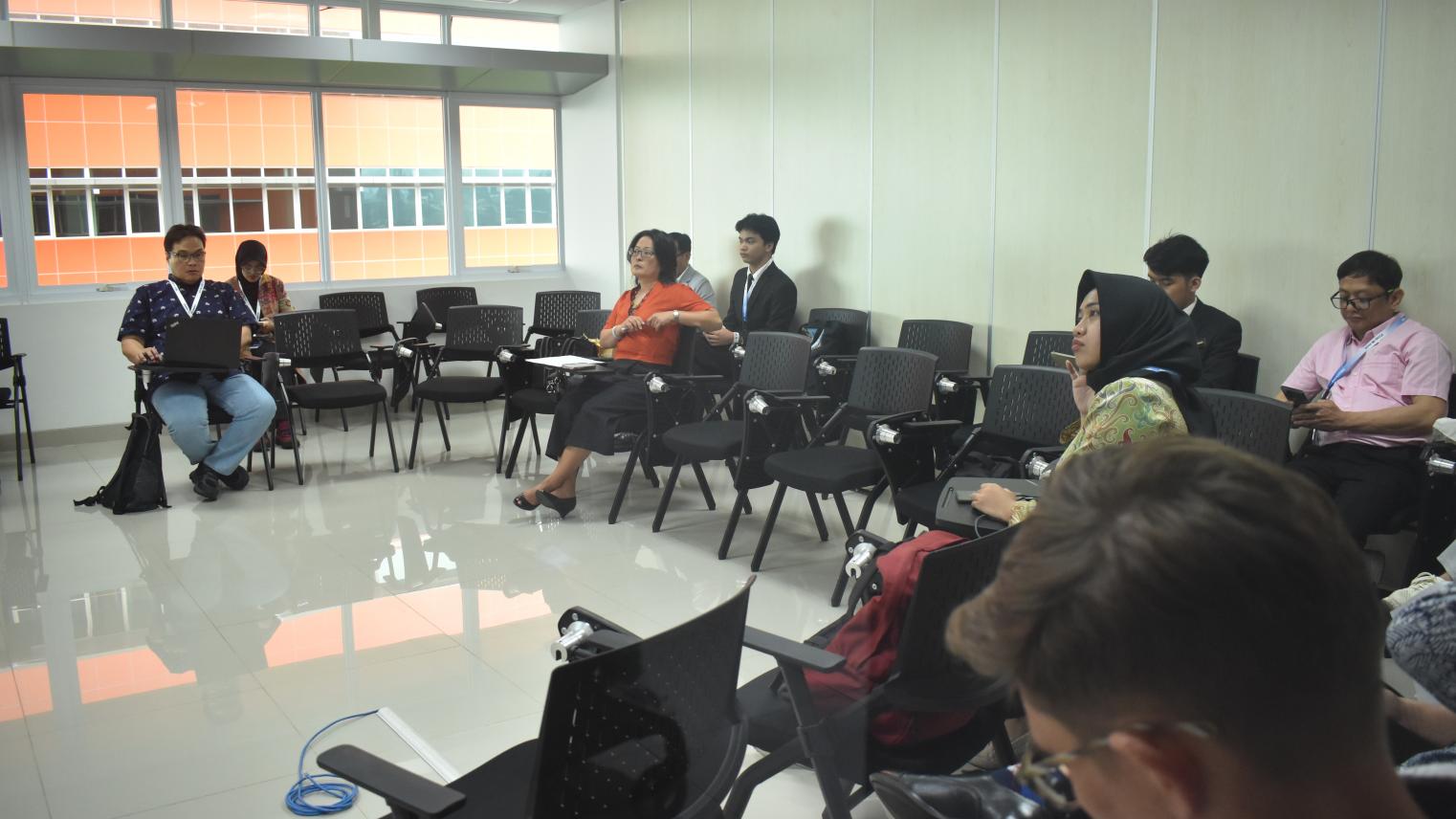
The roundtable was attended by around 20 participants, with presentations followed by discussion.
Chair
Professor Li Mingjiang, S. Rajaratnam School of International Studies, Nanyang Technological University
Discussant
Stefanie Kam Li Yee, S. Rajaratnam School of International Studies, Nanyang Technological University
Presenters and focus
- Sarah Teo and Dylan Loh, S. Rajaratnam School of International Studies, Nanyang Technological University
- Cross-country comparison: Australia, the Philippines and South Korea
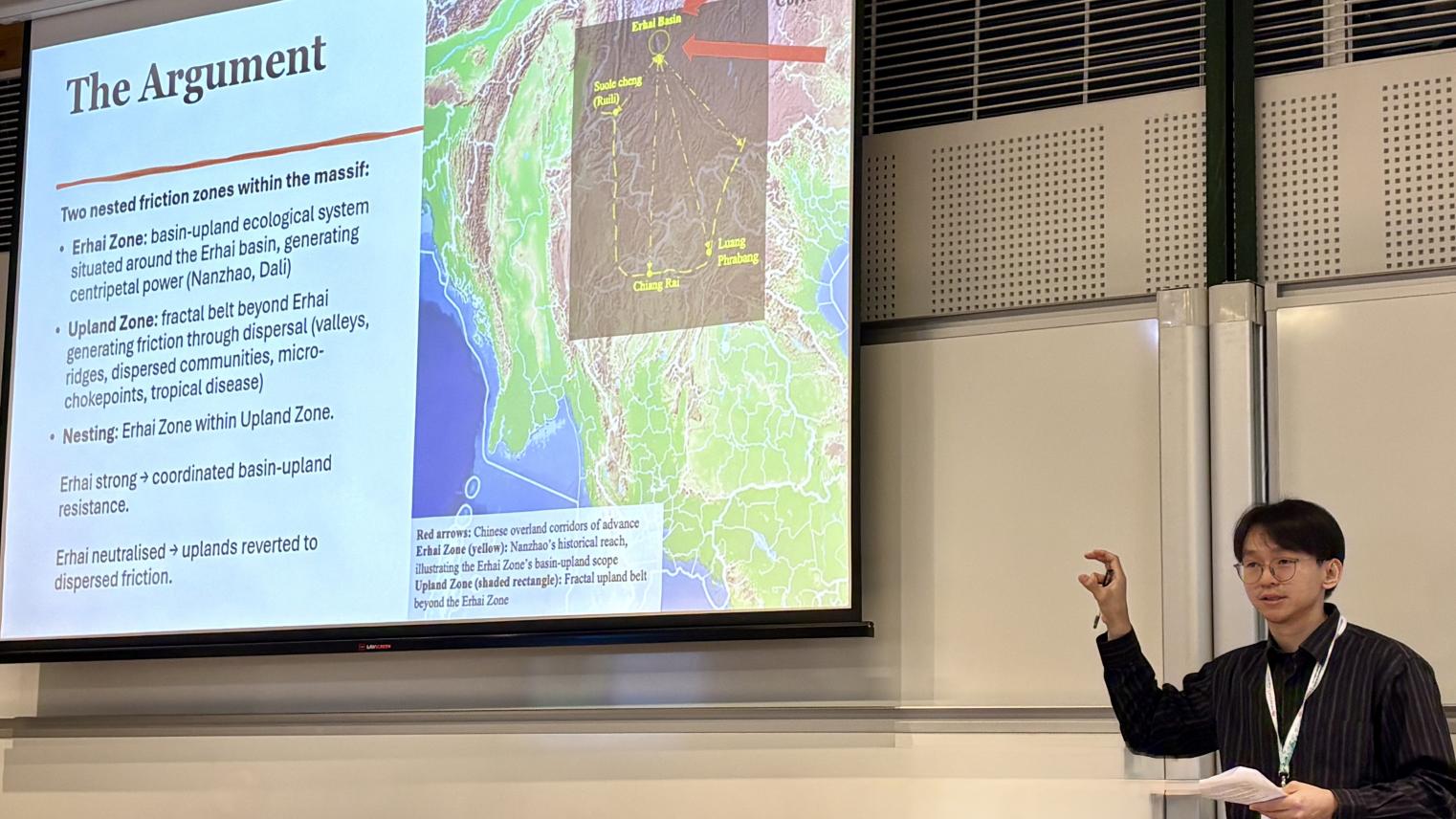
- Tommy Sheng Hao Chai, Australian National University
Geostrategic constraints: Southeast Asian Massif and Vietnam - Dr Emirza Adi Syailendra, S. Rajaratnam School of International Studies, Nanyang Technological University
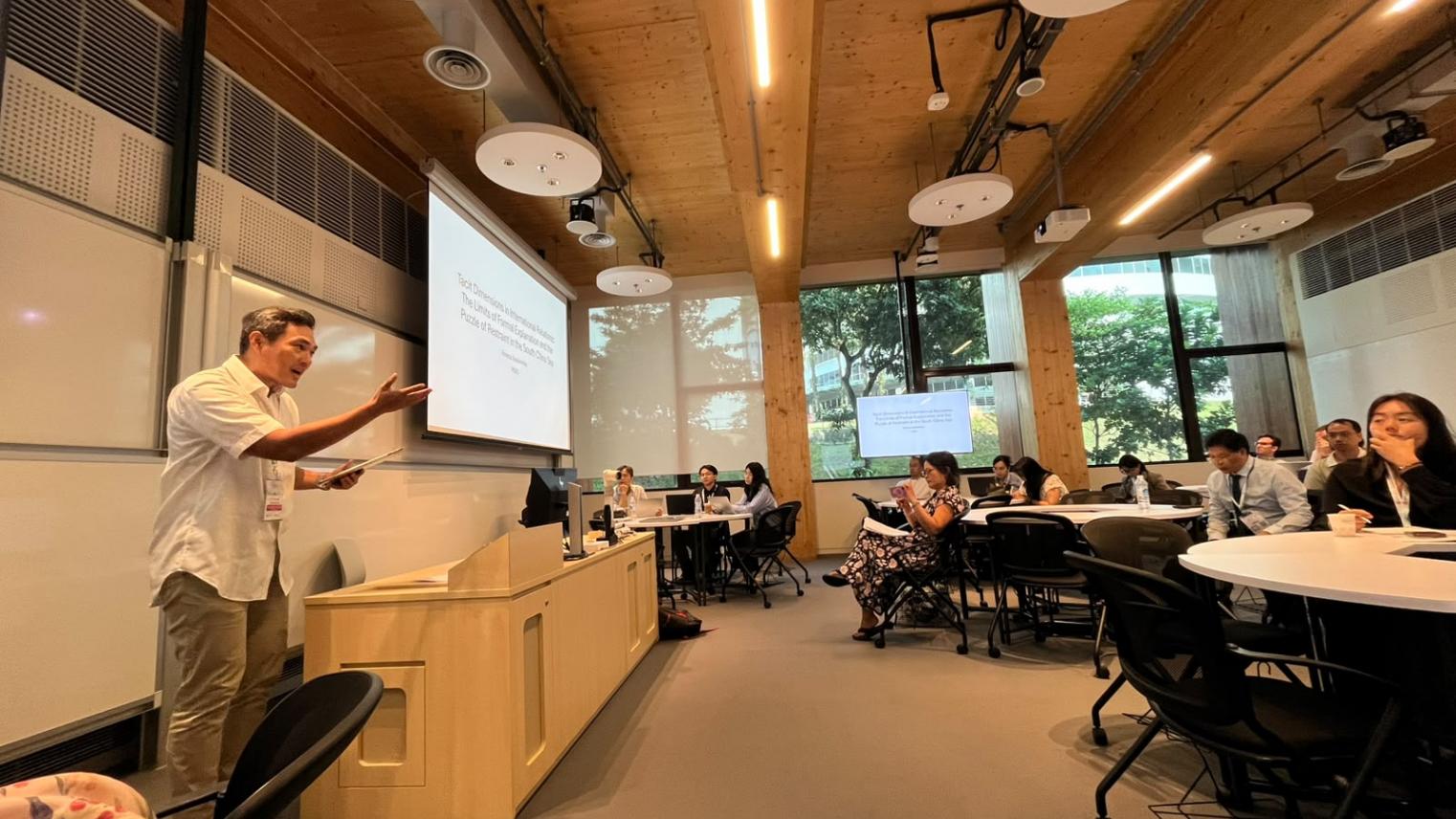
South China Sea
The panel attracted an estimated 25 participants, with the presentations followed by discussion Southeast Asian responses to China’s influence and the limits such pressures encounter within the region.
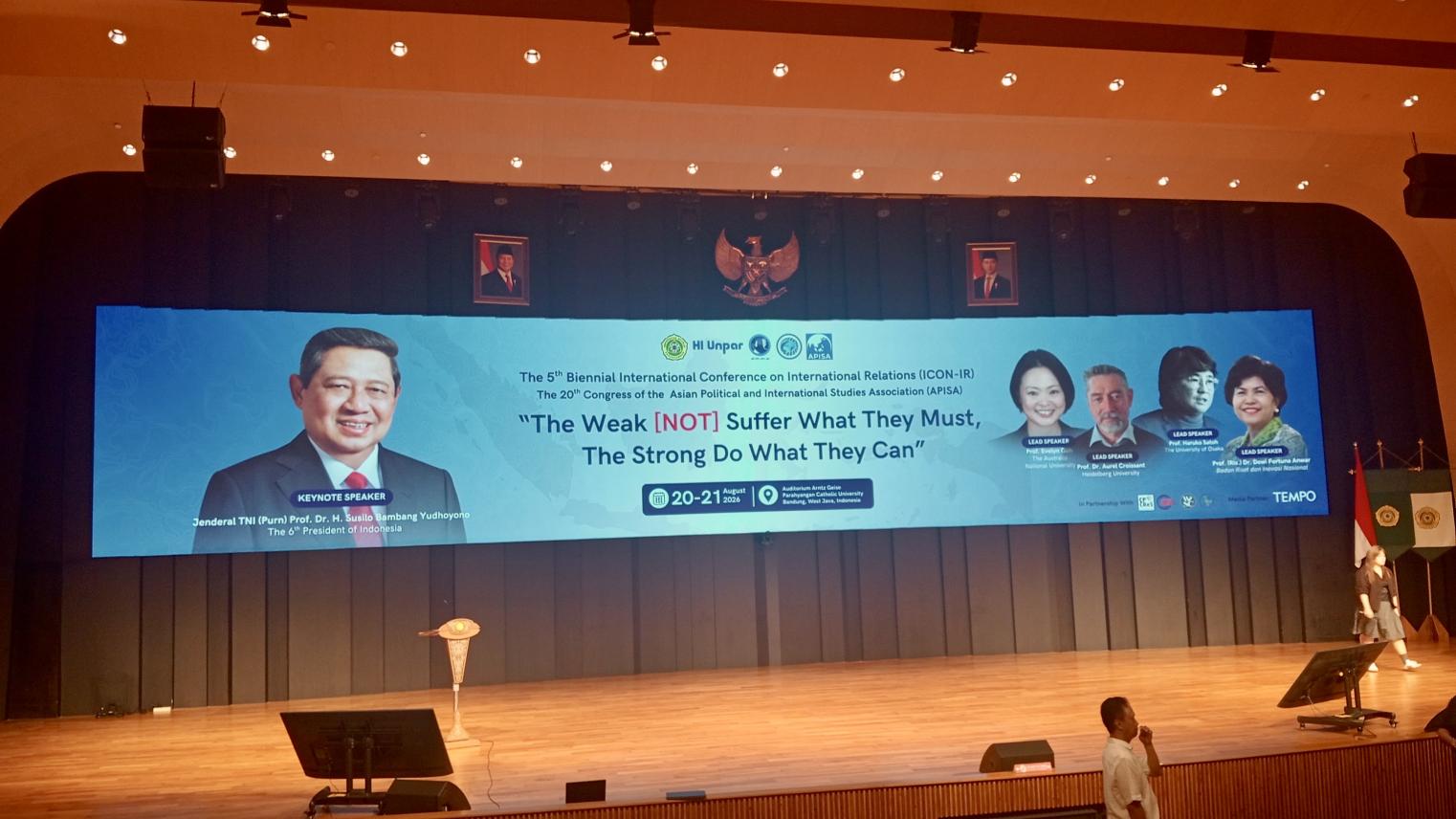
ICON-IR 2026
20–21 August 2026 | Parahyangan Catholic University, Bandung, Indonesia
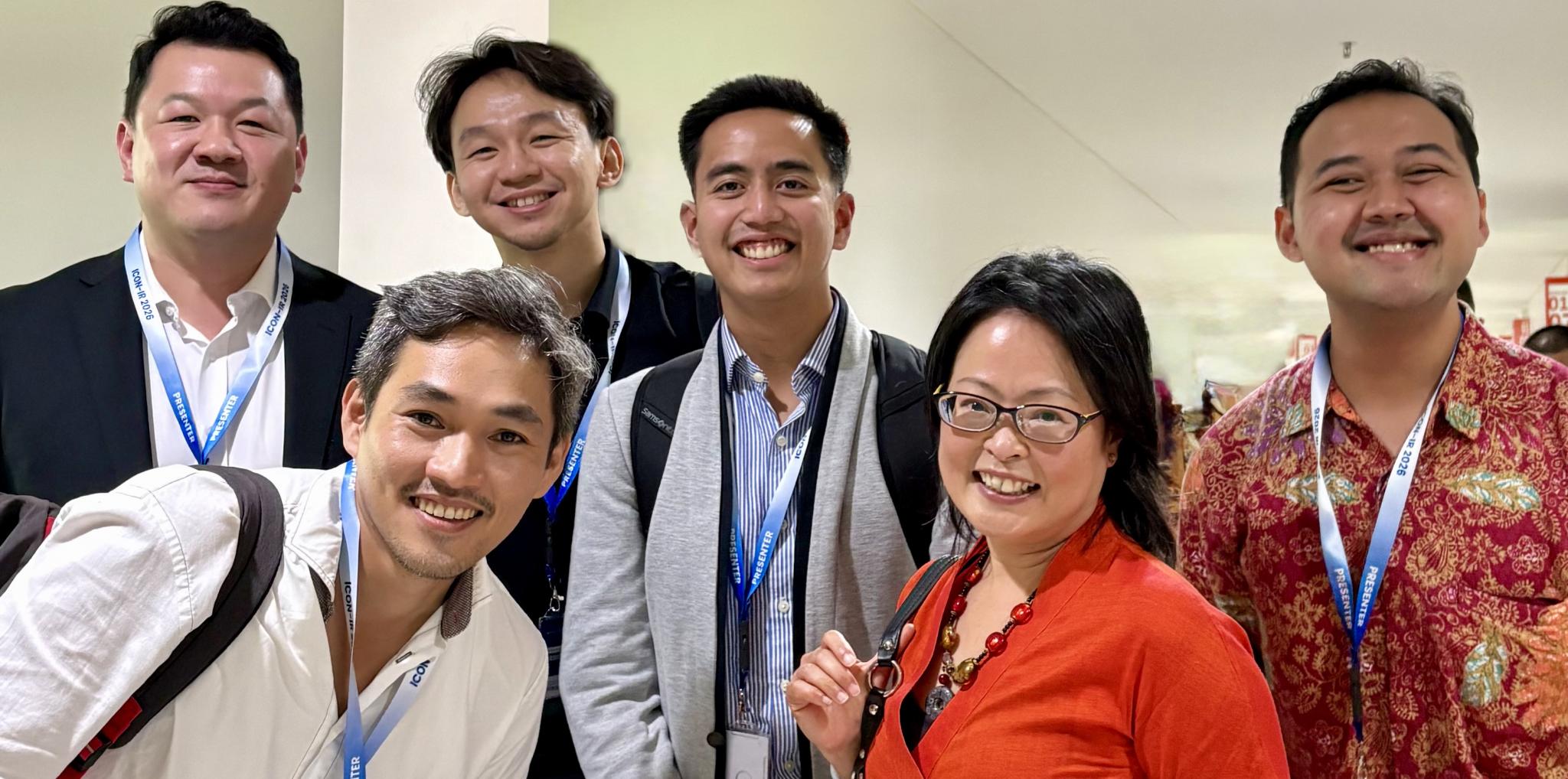
SEAI members joined the 5th Biennial International Conference on International Relations (ICON-IR) 2026 to share research and engage with students and scholars on Indonesia’s foreign policy, major-power relations, regional agency and emerging geo-economic dynamics. Across the two-day conference, members contributed as lead speaker, moderators, discussants and presenters across several sessions.
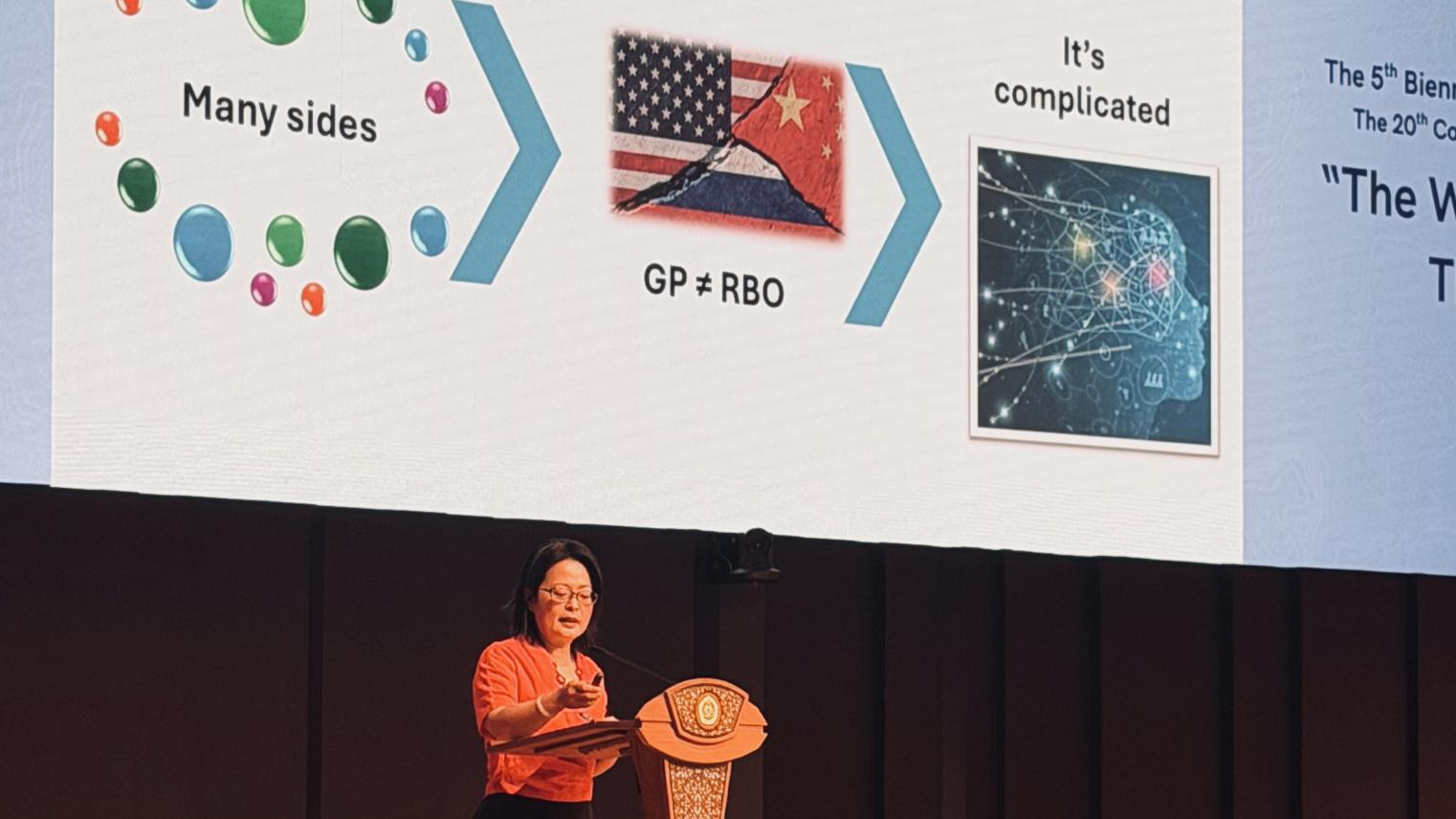
Professor Evelyn Goh, Director of the ANU Southeast Asia Institute, participated as the first lead speaker in the conference opening session on 20 August. Her session was followed by discussion and Q&A with conference participants.
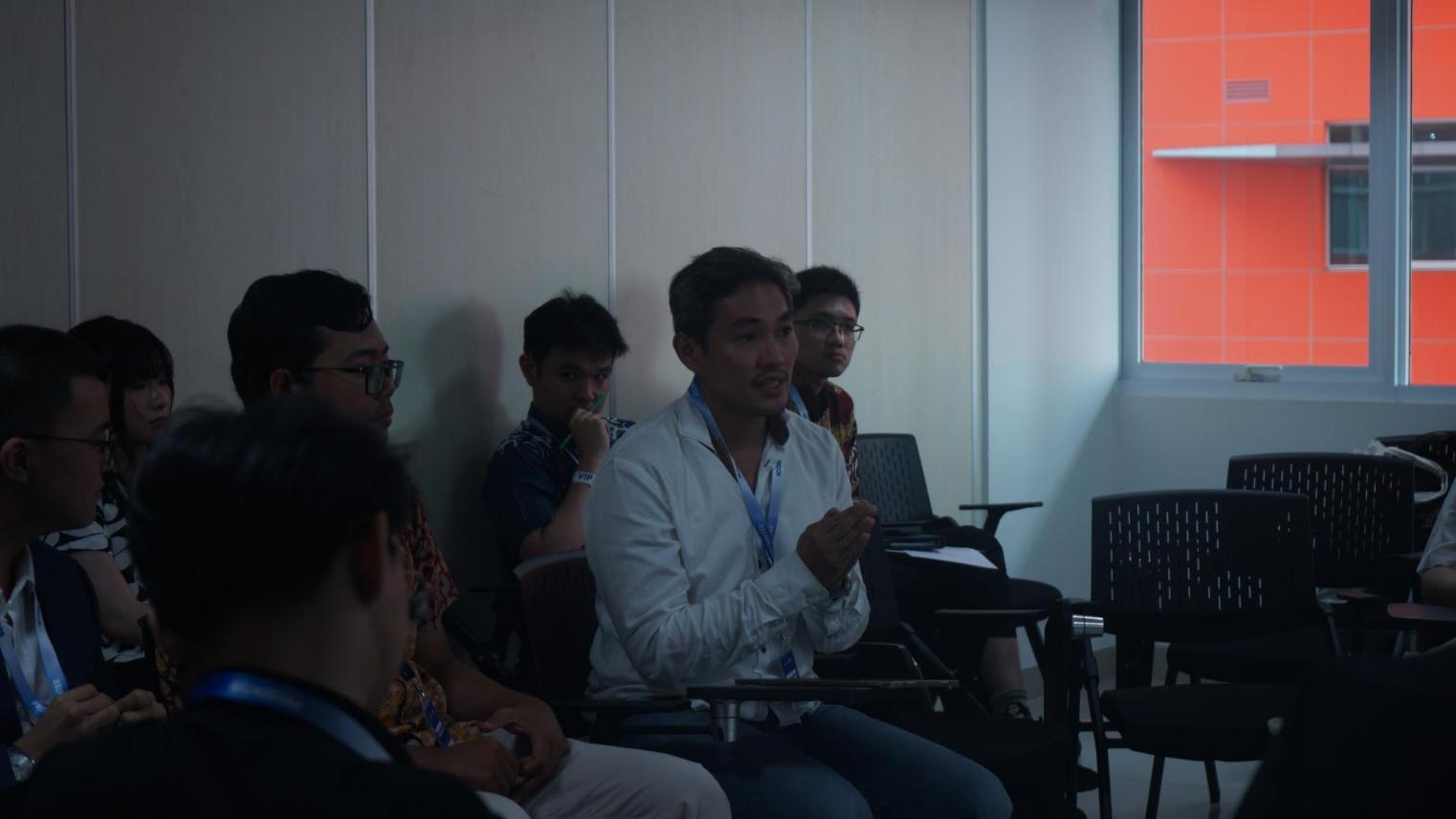
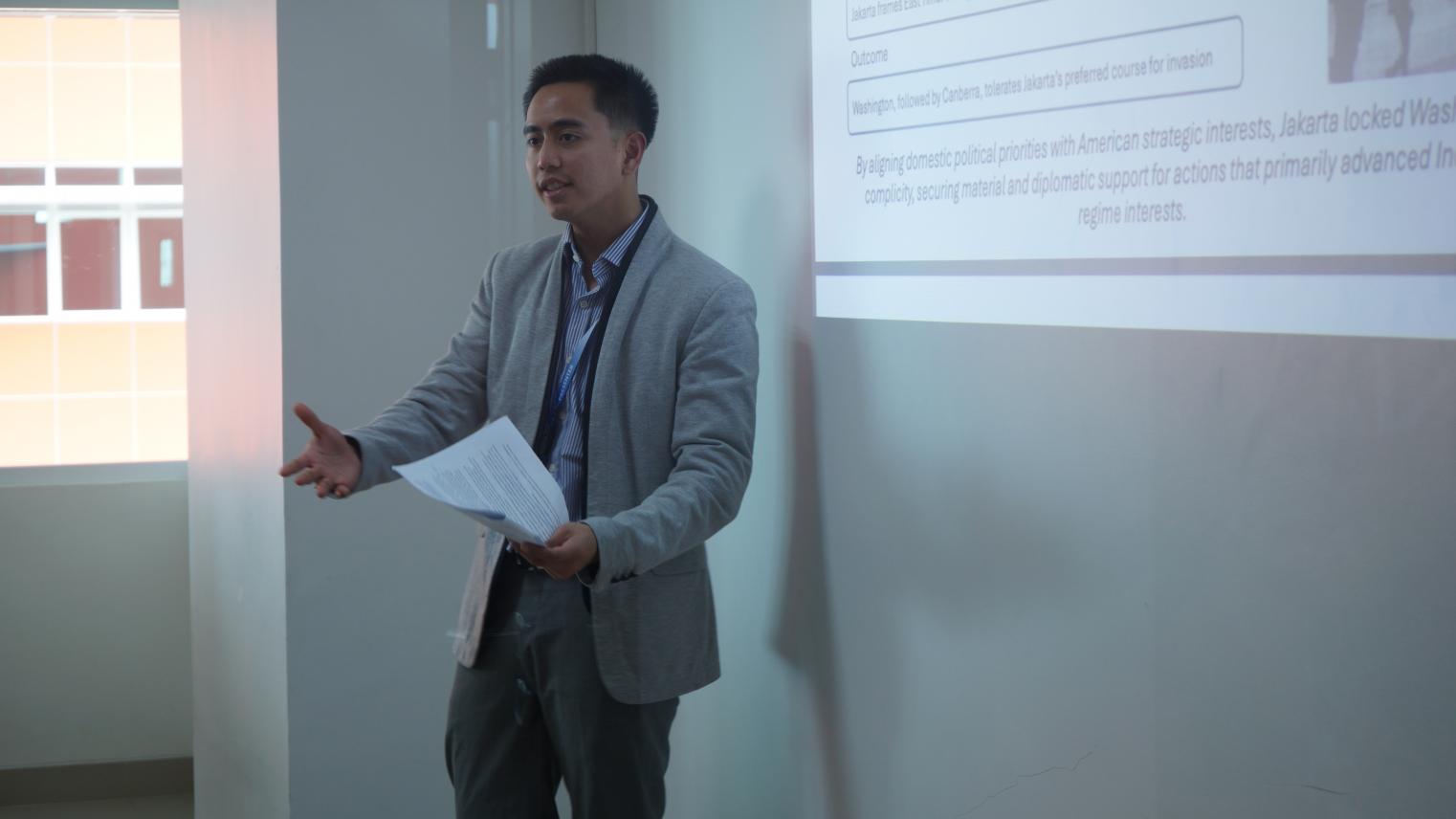
SEAI members Dr Emirza Adi Syailendra and Jascha Prakoso Hadi Ramba contributed to a panel examining Indonesia’s foreign policy from different conceptual and empirical perspectives.
Discussants/Moderators
Assistant Professor Angguntari C. Sari and Assistant Professor Idil Syawfi, Parahyangan Catholic University
SEAI presenters
- Dr Emirza Adi Syailendra, S. Rajaratnam School of International Studies, Nanyang Technological University
Hierarchy: Javanese Political Culture, Status-Seeking, and Indonesia’s Foreign Policy under Prabowo Subianto - Jascha Prakoso Hadi Ramba, Australian National University
Managing Asymmetry: How Indonesia Turns Alignment with a Major Power into Leverage
The session generated discussion on how Indonesia’s foreign policy can be understood through regional concepts, political culture, hierarchy and the management of asymmetrical relationships.
Professor Evelyn Goh also served as discussant and moderator, together with Assistant Professor Adrianus Harsawaskita of Parahyangan Catholic University, for a panel examining great-power politics and its implications across Asia. The session brought together research on China’s Global Security Initiative, alliance relations, Philippine foreign policy and emerging forms of de-dollarisation.
Emerging Geoeconomic Logics under U.S.–China Rivalry
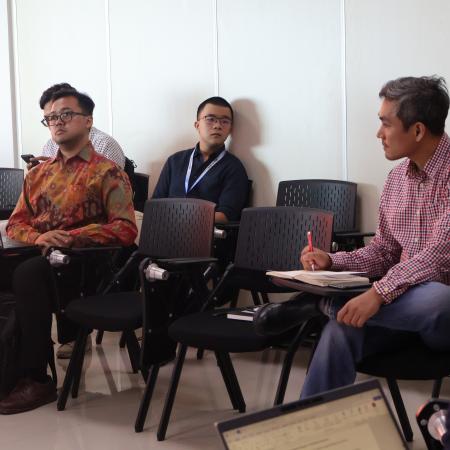
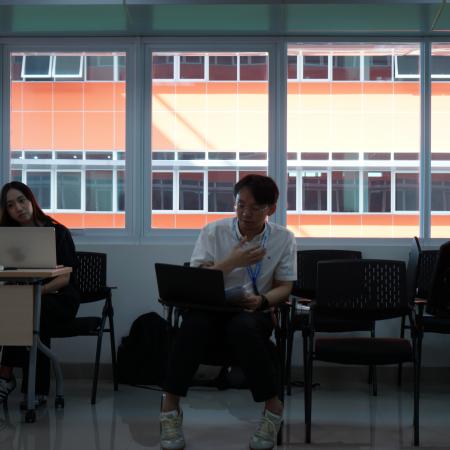
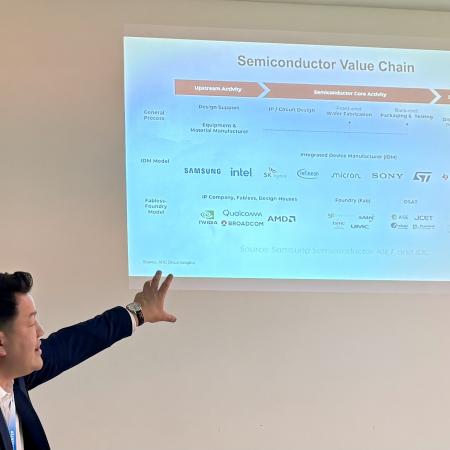
SEAI members continued their engagement through a closed panel examining emerging geoeconomic dynamics in Southeast Asia under intensifying U.S.–China rivalry.
Discussant/Moderator
Dr Emirza Adi Syailendra, S. Rajaratnam School of International Studies, Nanyang Technological University
Presenters
- Arrizal Anugerah Jaknanihan, The Habibie Center
Preserving Agency: The Complex Geoeconomics of Indonesia’s Economic Diplomacy - Tommy Chai Sheng Hao, Australian National University
Supply-Chain Repositioning in Southeast Asia: From Premodern Trade to Contemporary Friendshoring - Kevin Thow, Australian National University
Techno-Nationalism, Techno-Regionalism, and Lesser Power Agency in Southeast Asia
The panel explored how Southeast Asian states navigate economic and technological competition through economic diplomacy, supply-chain positioning and regional approaches to technology governance that focuses on Southeast Asian agency and leverages, beyond the great power competition itself.
Continuing the Research Conversation
The engagement at ICON-IR allows SEAI members to identify pathways to develop their papers into journal articles and possible collaborative projects. Emirza is exploring how smaller states can create strategic value by managing risk; Tommy is developing his work on supply chains and regional order; Jascha is extending his research on asymmetry, alignment and leverage; Kevin is refining his work on techno-regionalism and lesser-power agency; and Arrizal is developing his research on Indonesia’s economic diplomacy, particularly how Indonesia can sustain perceptions of economic openness despite episodes of economic pressure and coercion.
The conference also provided an opportunity to engage with international relations research grounded in Asian and Southeast Asian experience. SEAI members highlighted the value of exchanges with students and scholars who were actively working with regional concepts and empirical material, while also identifying opportunities for stronger methodological and conceptual development. These discussions reinforced the value of using regional experience as a starting point for developing research questions and concepts, rather than treating Southeast Asian cases simply as empirical illustrations of existing theories. They also highlighted the potential for continued collaboration around shared themes of agency, risk, economic-security nexus and regional order.